

Introduction
Industrial machining plays a critical role in modern manufacturing and engineering industries. From aerospace components to heavy machinery parts, precision machining ensures that every part meets exact specifications. Whether it’s cutting high-grade metals or performing advanced CNC turning, machining services are essential for achieving efficiency and durability.
In this guide, we will explore everything you need to know about industrial machining services, including cutting, turning, grinding, fabrication, and maintenance.
What Are Industrial Machining Services?
Industrial machining services involve shaping, cutting, and finishing materials such as metal to create precise components. These services are widely used in industries like aerospace, defence, automotive, and manufacturing.
Key machining processes include:
- Cutting (Nickel, Titanium, Aluminium, Steel)
- CNC Turning & Lathe Jobs
- Surface Grinding
- Drilling & Tapping
- Fabrication & Welding
These processes ensure that components meet strict tolerances and performance standards.
Metal Cutting Services
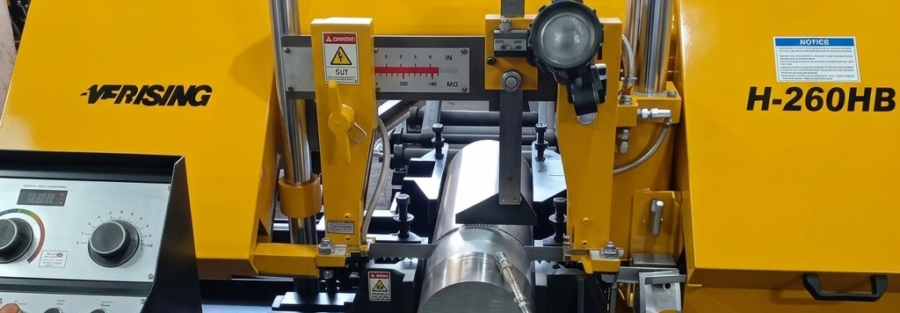
Metal cutting is one of the most fundamental machining processes. It involves removing material from a workpiece to achieve the desired shape and size.
Types of Materials Cut:
- Nickel Forgings
- Titanium Rings
- Aluminium Rods
- Steel Components
Advanced cutting machines can handle materials up to large diameters with high precision.
Benefits:
- High accuracy
- Smooth finish
- Minimal material wastage
CNC Turning & Lathe Machining
Turning is a machining process where the material rotates while a cutting tool shapes it.
Key Features:
- Suitable for cylindrical components
- High precision with CNC machines
- Capable of handling large diameters
Lathe jobs are commonly used for:
- Shafts
- Rings
- Forged components
Surface Grinding Services
Surface grinding is used to produce a smooth finish on flat surfaces.
Advantages:
- High dimensional accuracy
- Fine surface finish
- Tight tolerance control
This process is essential in industries where precision is critical.
Fabrication & Welding
Fabrication involves assembling metal structures through cutting, bending, and welding.
Applications:
- Industrial structures
- Defence components
- Custom machinery parts
Fabrication services ensure strength, durability, and customization.
Drilling & Tapping
Drilling and tapping are used to create holes and threads in components.
Importance:
- Essential for assembly
- High precision required
- Used in almost all industrial applications
Machine Repair & Reconditioning
Machine reconditioning is the process of restoring old or damaged machines to their original working condition.
Services Include:
- Mechanical maintenance
- Hydraulic system repair
- Electrical & electronic servicing
This helps industries save costs and extend machine life.
Why Precision Matters in Machining
Precision is crucial because even a small deviation can lead to failure in performance.
Key Benefits:
- Improved efficiency
- Better product quality
- Reduced downtime
Choosing the Right Machining Partner
When selecting a machining service provider, consider:
- Experience in the industry
- Quality standards
- Range of services
- Customer reviews
Conclusion
Industrial machining services are the backbone of modern engineering. From cutting and turning to grinding and fabrication, each process plays a vital role in delivering high-quality components.
Choosing a reliable and experienced service provider ensures better performance, durability, and efficiency.

